
Rooted in Rhythm: Festivals in the Waldorf Curriculum. When Rudolf Steiner founded the first Waldorf school in 1919, he urged teachers to shape education around the natural rhythms of life rather than fixed routines alone. Festivals, he explained, help connect us to both the cycles of nature and to our cultural traditions. In Waldorf education today, festivals still mark the rhythm of the year — living experiences that nurture reverence, imagination, and joy. By observing the changing seasons and honoring traditions old and new, children encounter the mysteries of nature while developing a deeper sense of belonging, both to the natural world and to the community that surrounds them.
The Waldorf School of Saratoga Springs’ approach to festivals is inclusive and secular, ensuring that celebrations are both universally meaningful and in harmony with families’ own beliefs.
A Rhythm for Early Childhood: Connecting With Nature’s Cycles
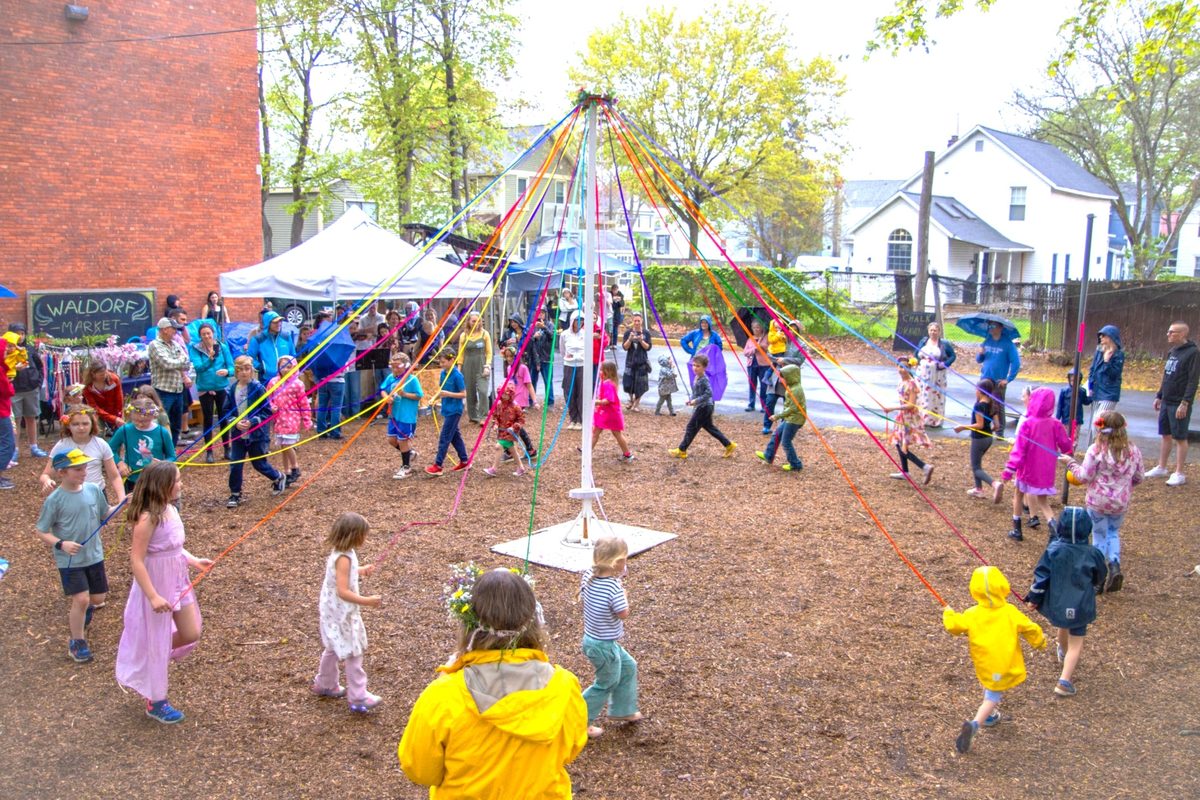
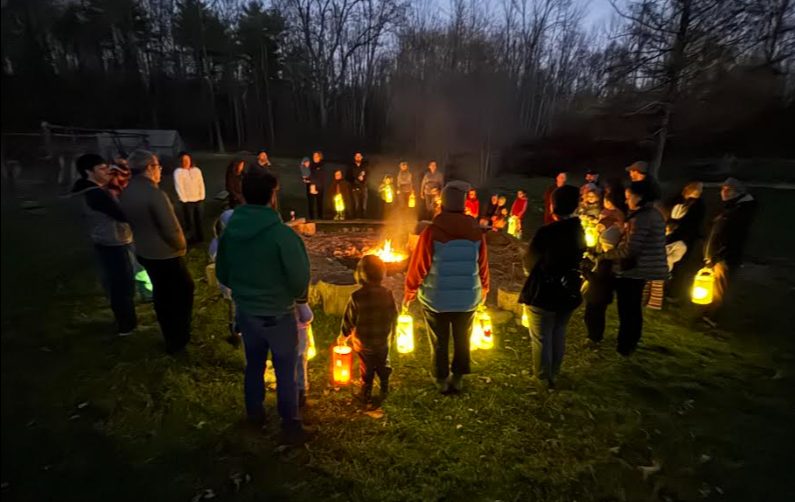
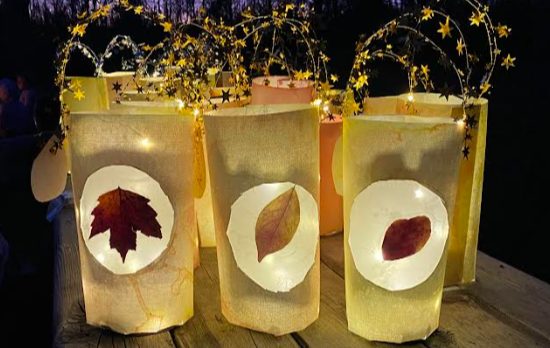
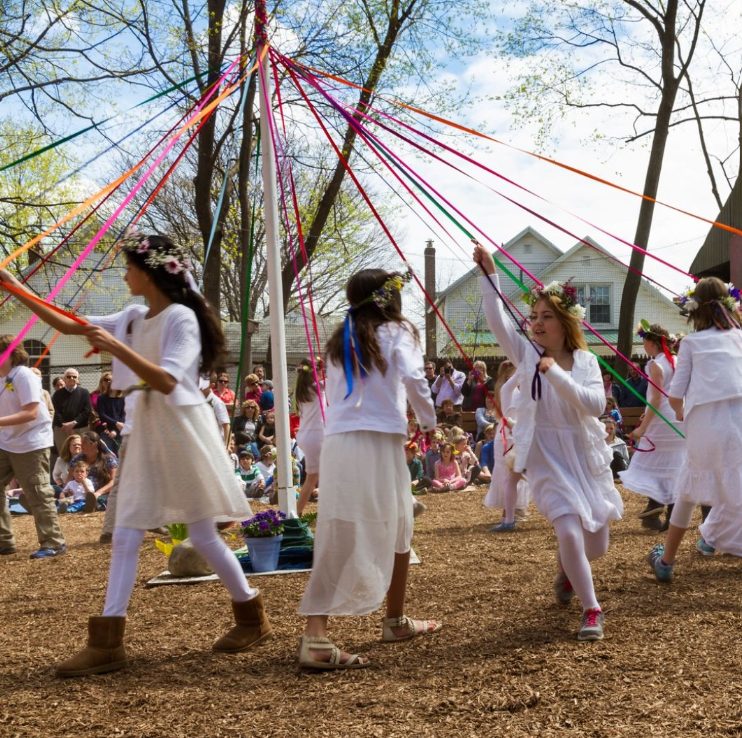
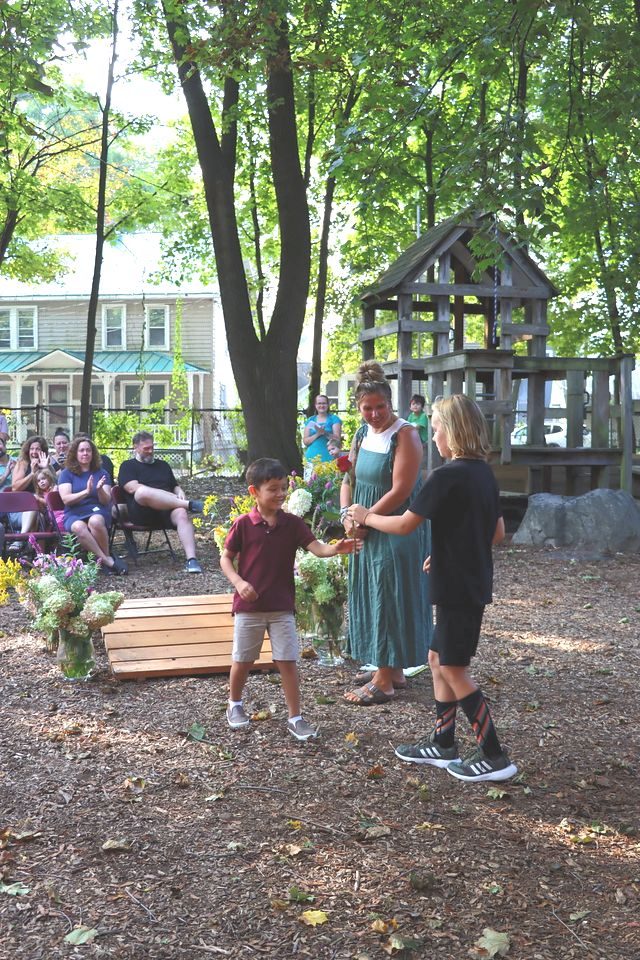
In our Early Childhood program, the cycle of the seasons is experienced through daily rituals and joyful celebrations. Lantern walks in late autumn bring light to the darkening days, while the Maypole in spring embodies renewal and growth. Birthday celebrations and moving-up ceremonies honor significant life transitions and give children a sense of courage to meet what lies ahead.
These traditions help young children feel secure within a world that’s ever-changing. Through age-appropriate songs, stories, and activities, their awareness of the natural world and its rhythms grows year by year.
Celebrations in the Lower Grades
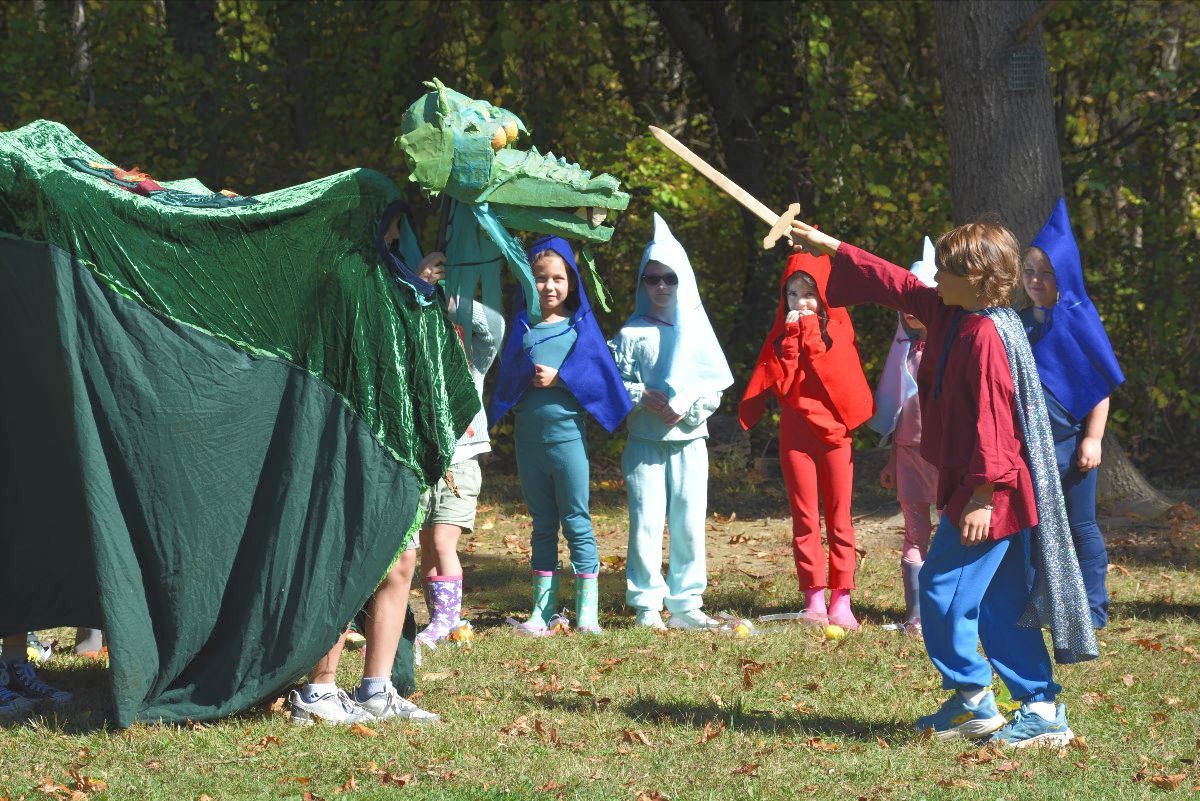
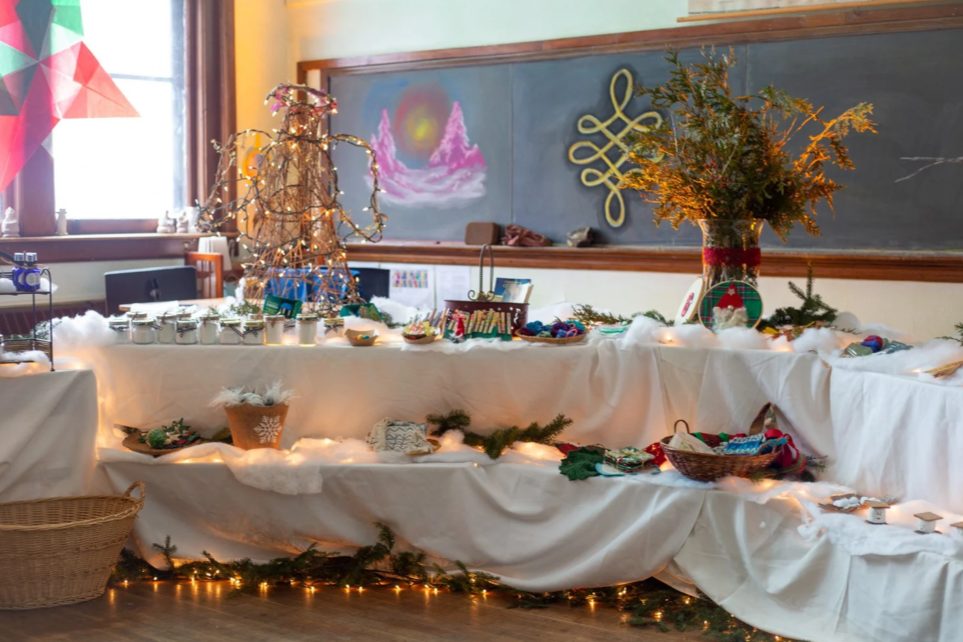
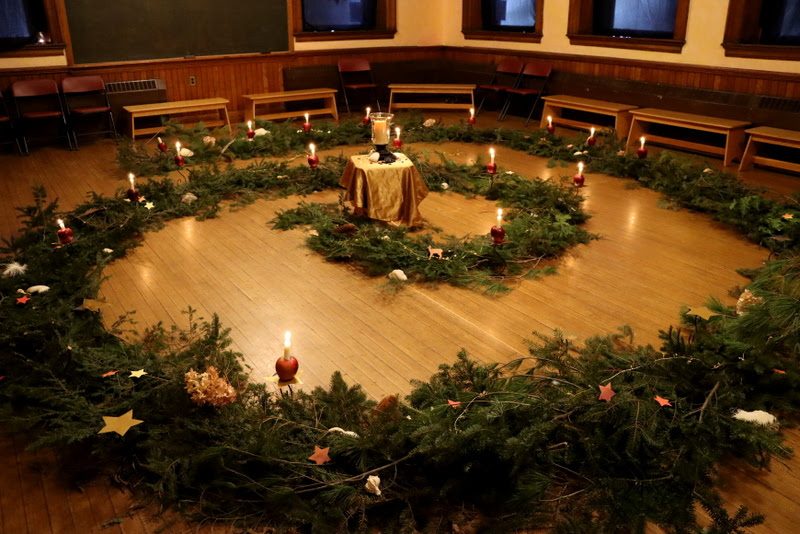
As children grow, the meaning of festivals deepens. Stories, songs, and traditional activities bring the curriculum to life. In the early grades, students don capes for Michaelmas, acting out the timeless tale of St. George and the dragon. This autumn festival cultivates courage, willpower, and the strength to meet challenges. Later in the year, the winter Spiral Garden celebration invites quiet reflection and hope, with each child placing a candle to brighten the darkness. These experiences invite children to live into archetypes of bravery, beauty, and renewal in ways that words alone can’t reach.
Tradition Meets Study
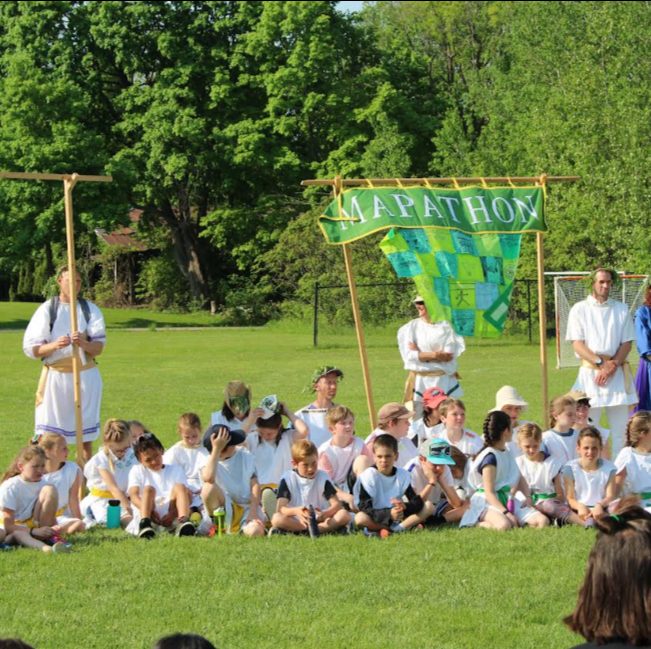
In the 3rd grade, when children study farming and building, harvest celebrations naturally align with their lessons, and they experience the timeless human partnership with the land. In 5th grade, when students explore ancient cultures, May Day dances echo the rhythms of civilizations past while reinforcing the joy of community in the present.
Festivals and traditions become not only seasonal markers, but also opportunities to deepen what they are learning in the classroom.
Middle School Years: Becoming a Keeper of Tradition
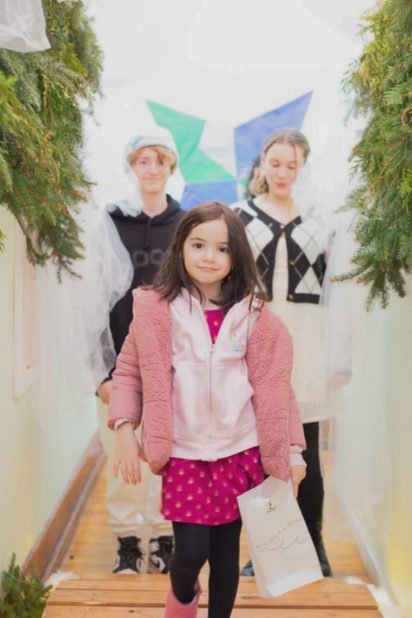
By middle school, festivals become opportunities for reflection and leadership. Students may take on roles in which they guide younger children in song or performance or help organize and lead activities, stepping into their place as community leaders. In this way, traditions become intergenerational: what once filled them with wonder as small children is now carried forward in service to others. The Angel Room captures this full-circle quality — those who once entered in wonder now return as “angels,” guiding the younger children through the experience.
A Community Practice
Festivals and traditions create shared memories and experiences. They remind us that education is not only intellectual, but also cultural, social, and spiritual. Activities like decorating, crafting, and participating in songs or performances foster a sense of collective purpose and belonging. In Waldorf education, festivals and other celebrations are not incidental; they are woven into the curriculum, offering lessons that no book can teach: meaning, belonging, and the art of living well in community.
As the holiday season draws near, we invite you to explore the deeper meaning behind the Waldorf festivals that kindle light, warmth, and community through the autumn and winter months: