Waldorf education teaches students how to become good citizens of the world. Field trips are an essential part of achieving this outcome as they transform the world into a classroom suited to each age and stage of development.
Sparking a Sense of Adventure
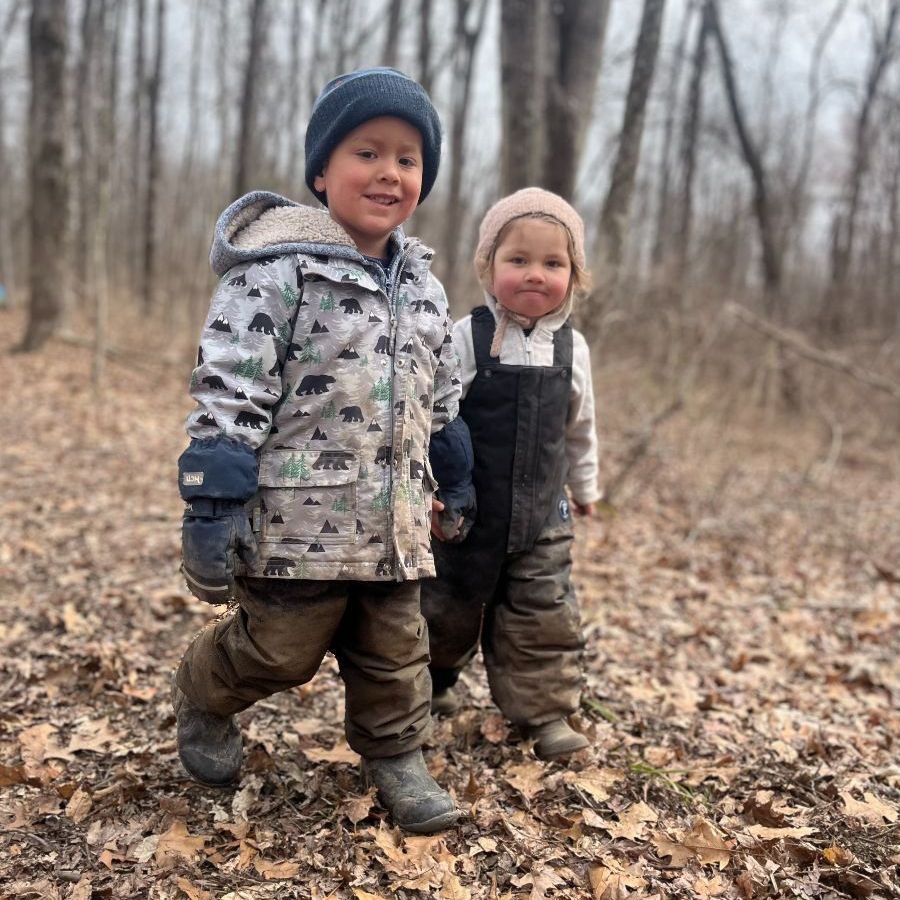
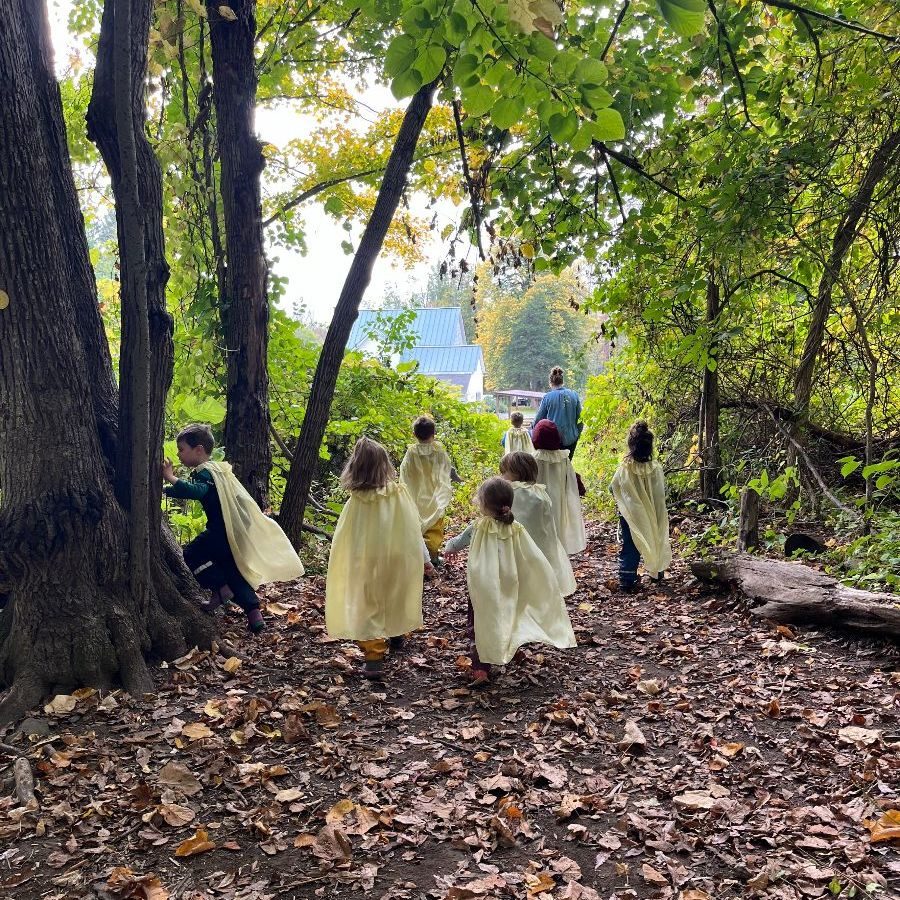
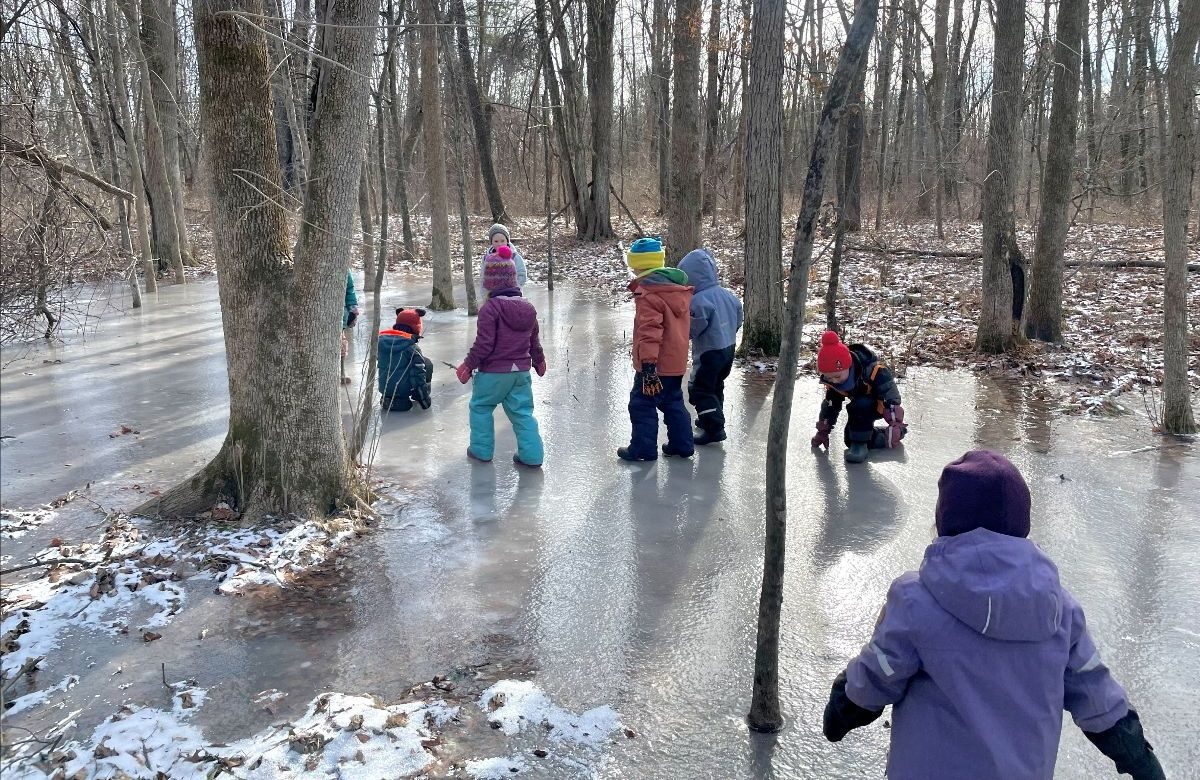
In our Early Childhood program, daily walks in the woods instill a sense of wonder and delight in the natural world. These excursions continue in all sorts of weather, nurturing resilience and adaptability. Tuning in to the cycle of the seasons opens the child’s spirit to the wonder of a frozen swamp, as well as the spring thaw that urges the maple sap to flow.
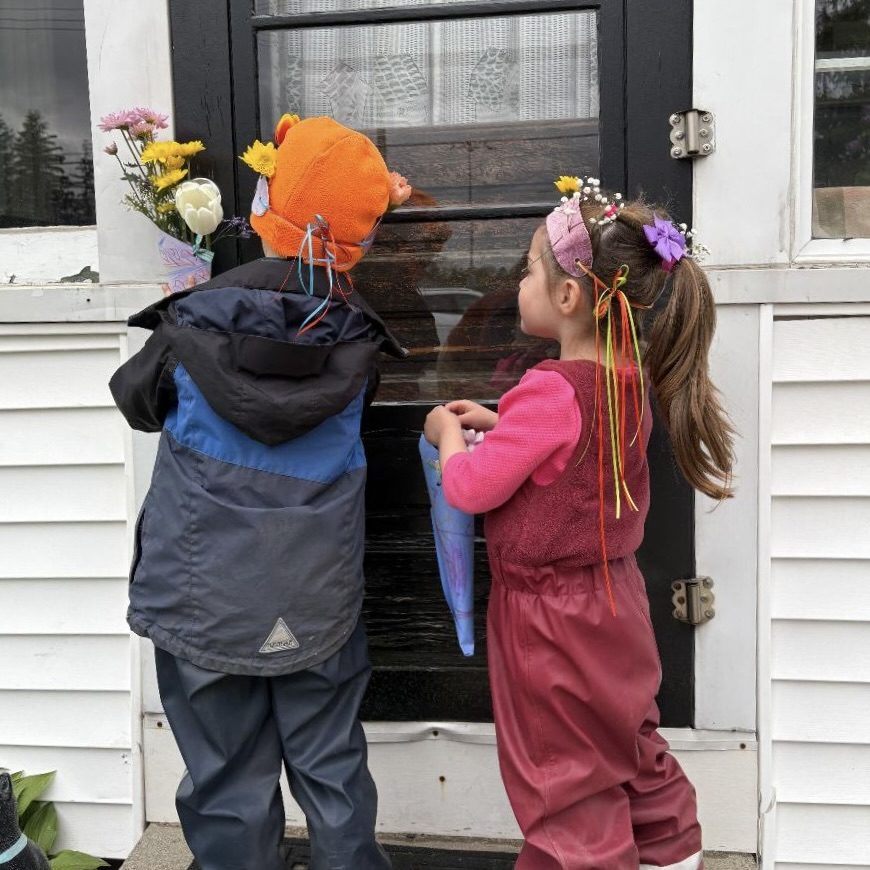
The rhythm of time-honored rituals is also cherished. At Michaelmas, an autumn celebration that promotes courage and steadfastness as the sunlit days shorten, children don hand-dyed yellow silk capes and venture bravely into the forest. On the first of May, they deliver colorful May baskets to neighbors, spreading the joy of springtime and friendship. These trips into the broader world promote trust, confidence, and community.
Continuing a Connection with Nature
It is typical in grade school to find students confined to desks indoors, uneasily separated from Mother Nature. In Waldorf schools, maintaining a child’s connection to the earth is emphasized not only through the presence of a nature table in the classroom, but more importantly, through regular forays into the natural world.
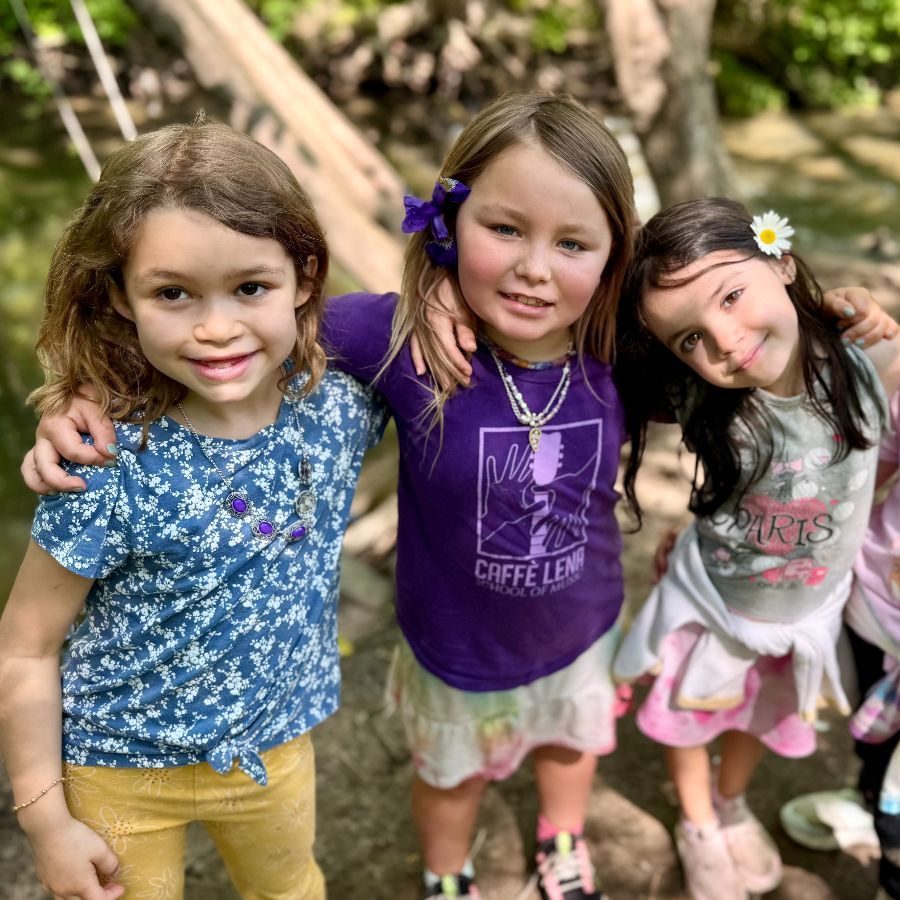
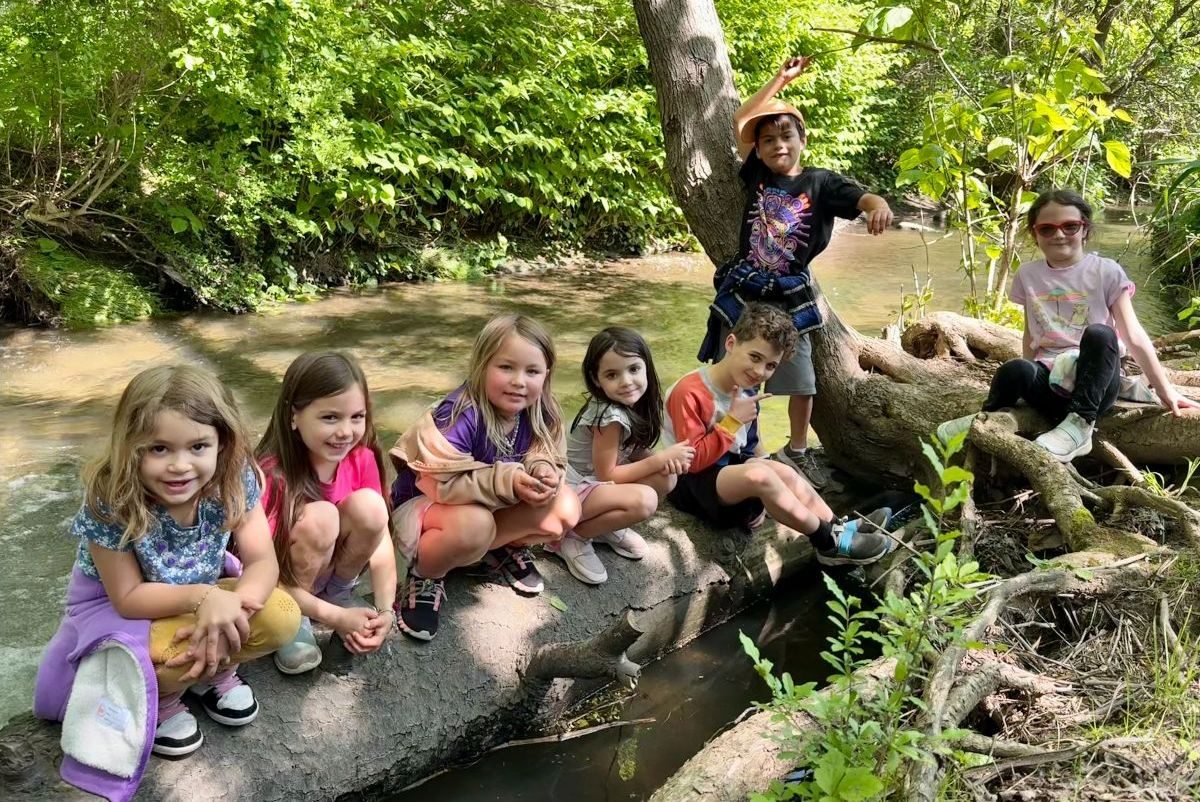
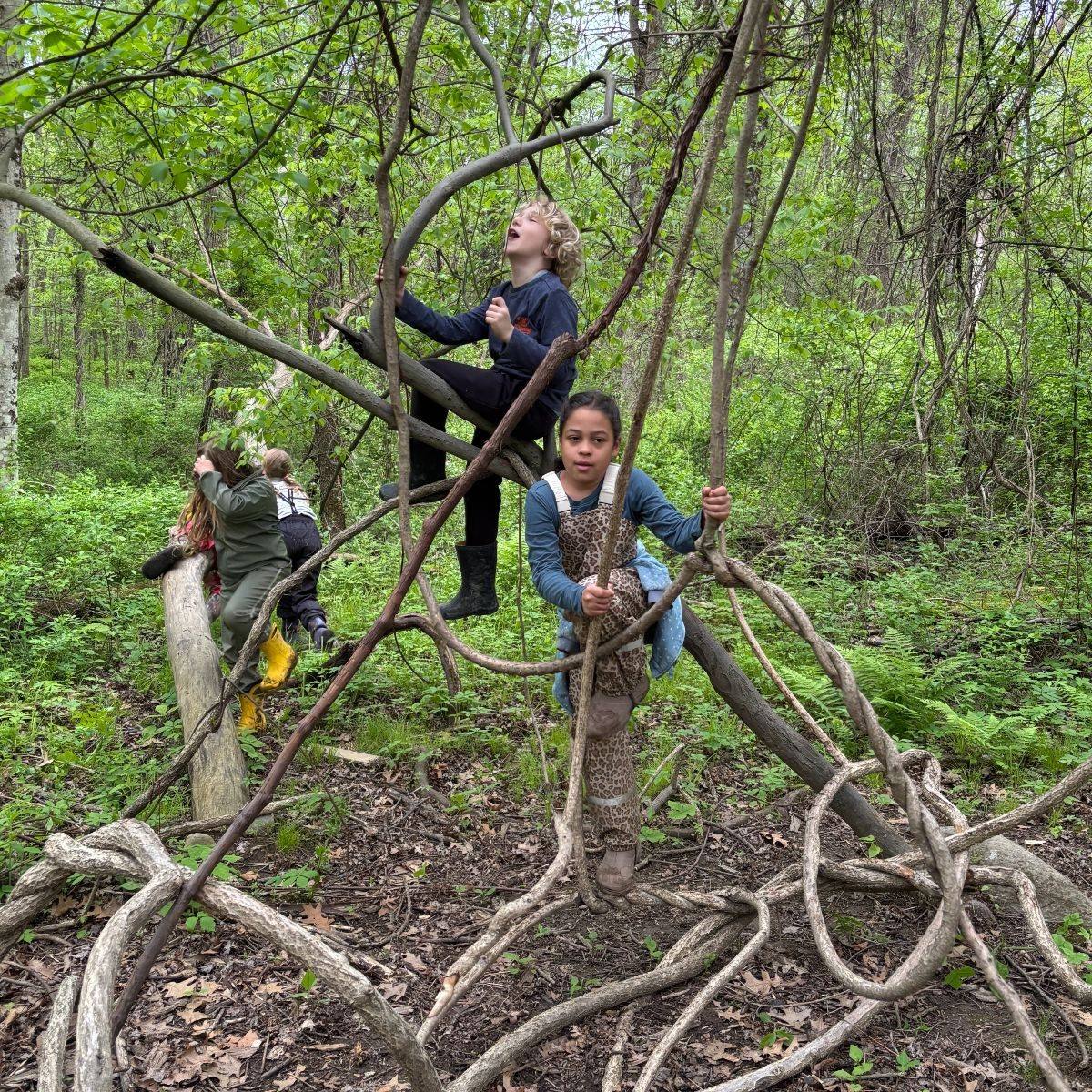
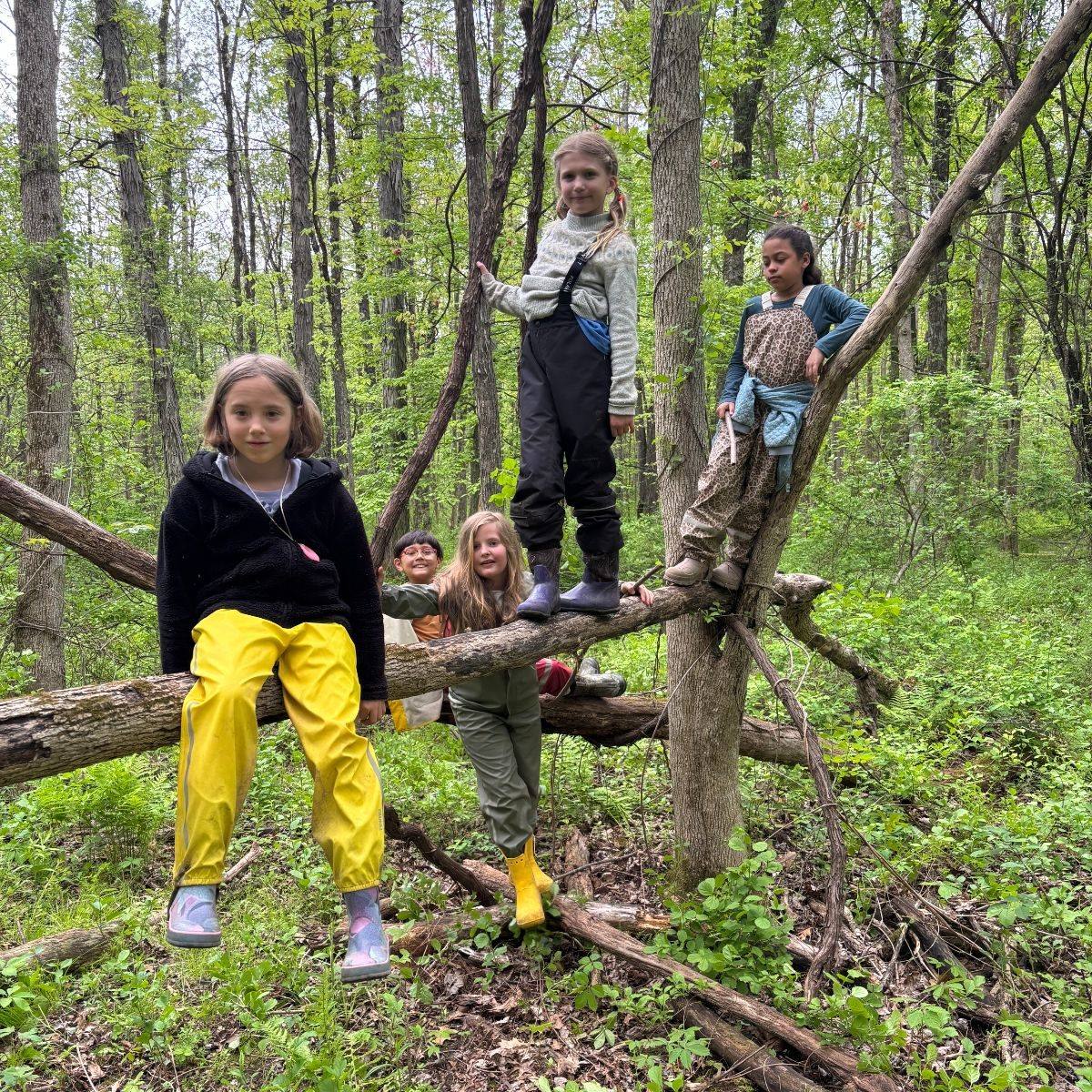
In grades one and two, field trips often consist of walks to the several parks we are fortunate to have nearby — like High Rock Park or Spring Run Trail — where children explore and climb on the rocks or dabble in the water. Second graders also enjoy a special weekly excursion to the Forest Kindergarten campus to enjoy nature’s original playground: the woods. Immersive time spent in nature fosters a sense of calm, fully engages the senses, and invites children to experience the world more fully.
Good Scholarship Begins With Observation
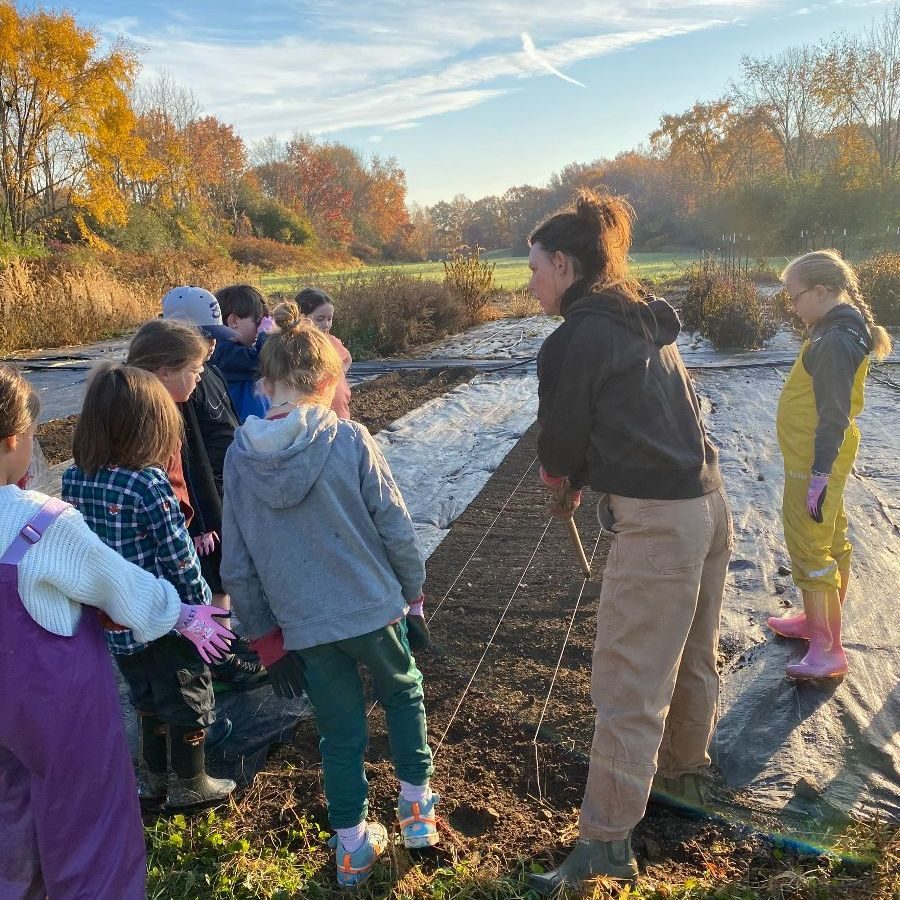
In third grade, field trips begin to align more with students’ academic studies and are designed to deepen their understanding of a subject through firsthand observation and experience. The third grade theme is farming, so to augment their studies of various agricultural practices across cultures, students visit a farm to get their hands a bit dirty. This year, the class visited Goode Farm, where they helped plant many rows of garlic and observed the inner workings of a farm.
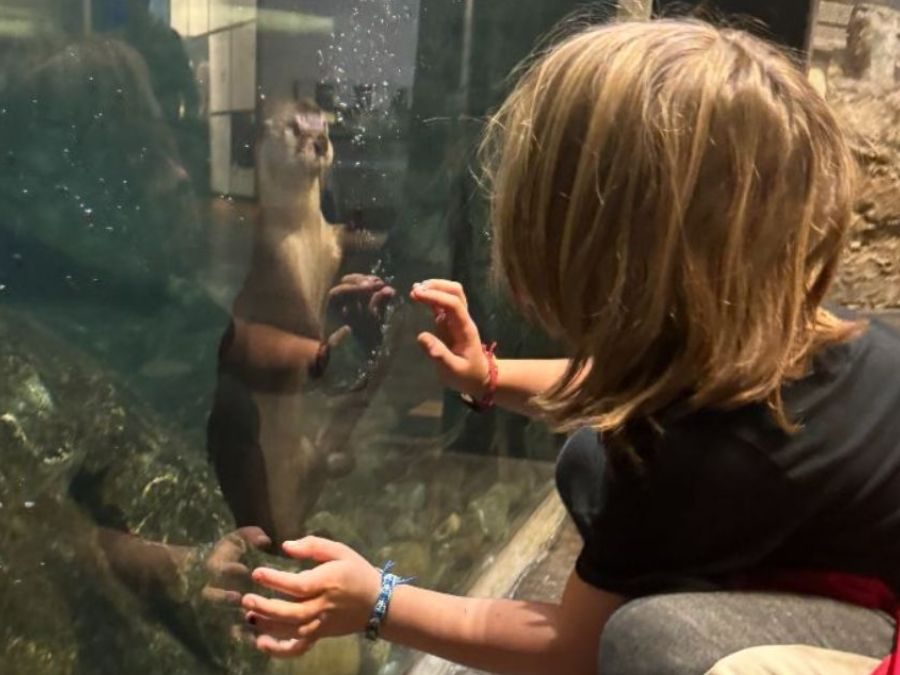
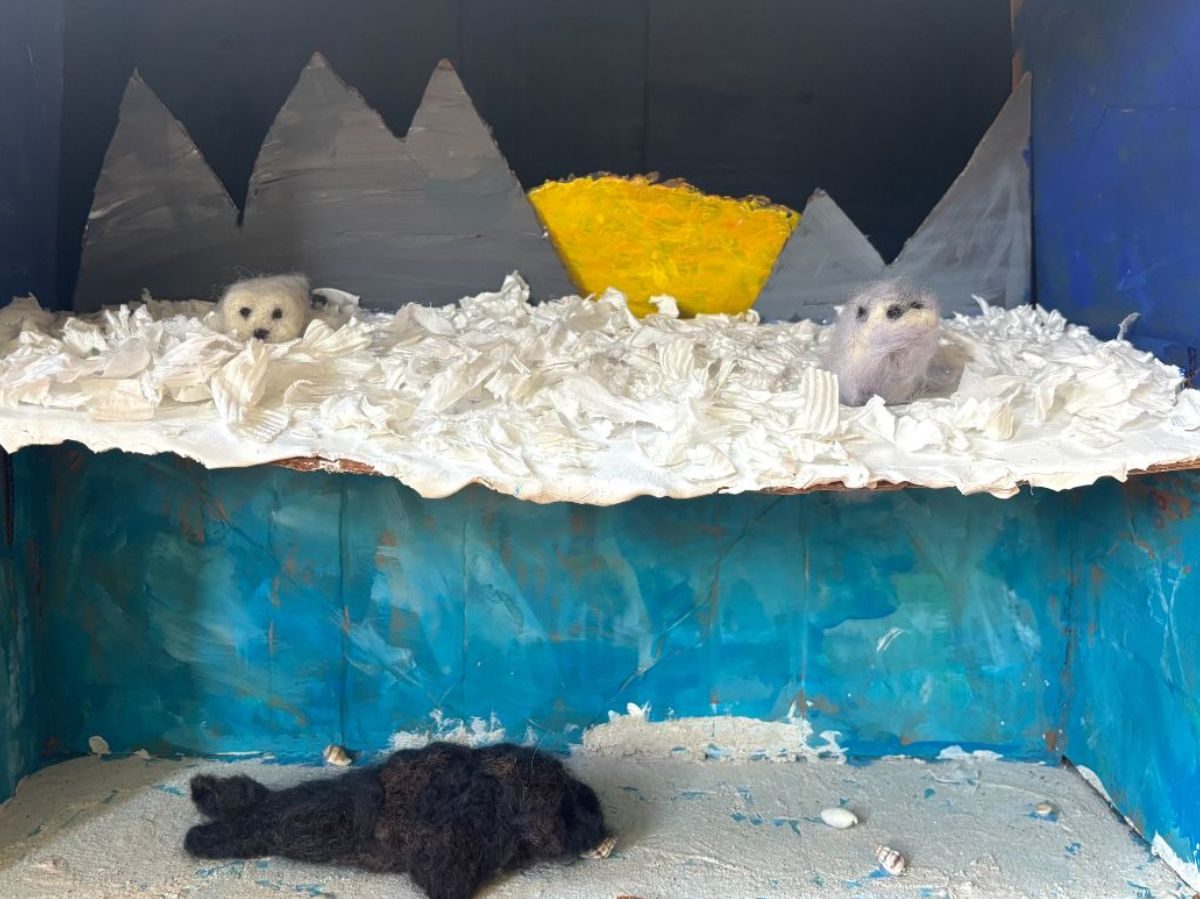
Fourth grade supplemented their unit on animal studies with a visit to The Wild Center in Tupper Lake, where they observed otters and birds of prey — and imagined themselves caught in an oversized spider’s web. They brought these experiences back to the classroom and later applied them to animal observation and research projects as well as detailed dioramas that brought each animal to life within its environment.
Nature and Culture
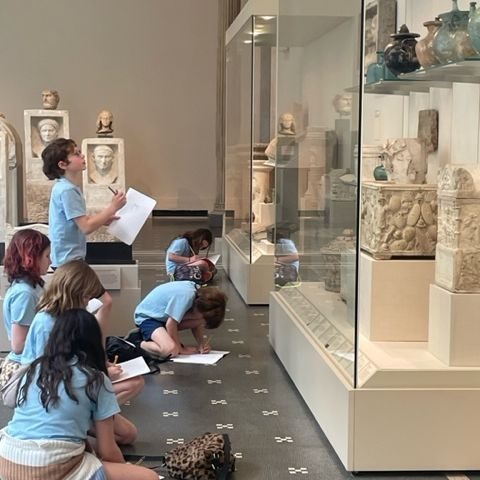
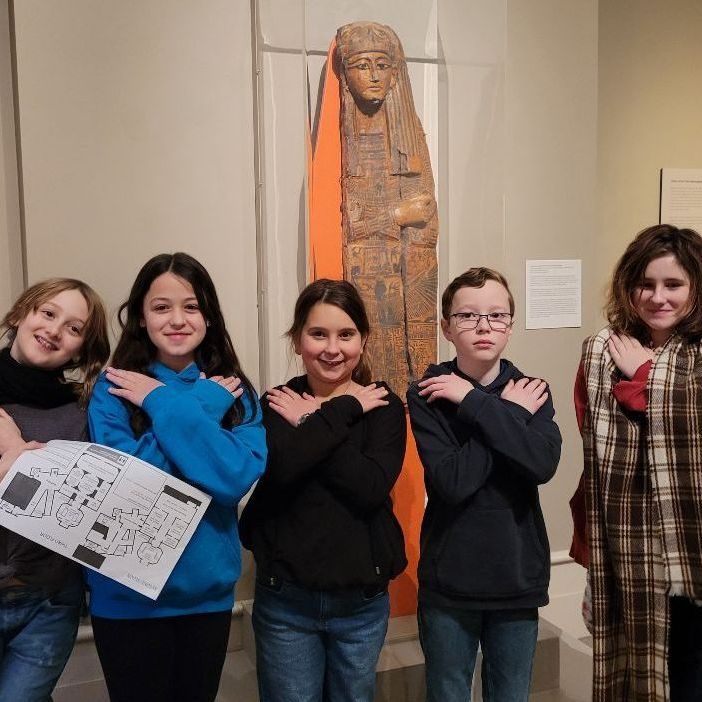
In fifth grade, students begin their study of ancient civilizations beginning with Persia, then Egypt and Greece. In order to observe ancient artifacts in real life, they traveled to both the Albany Institute of History and Art and the Metropolitan Museum of Art in New York City. There, they sketched Egyptian mummies and Greek sculptures, integrating these experiences into their main lesson books back in the classroom.
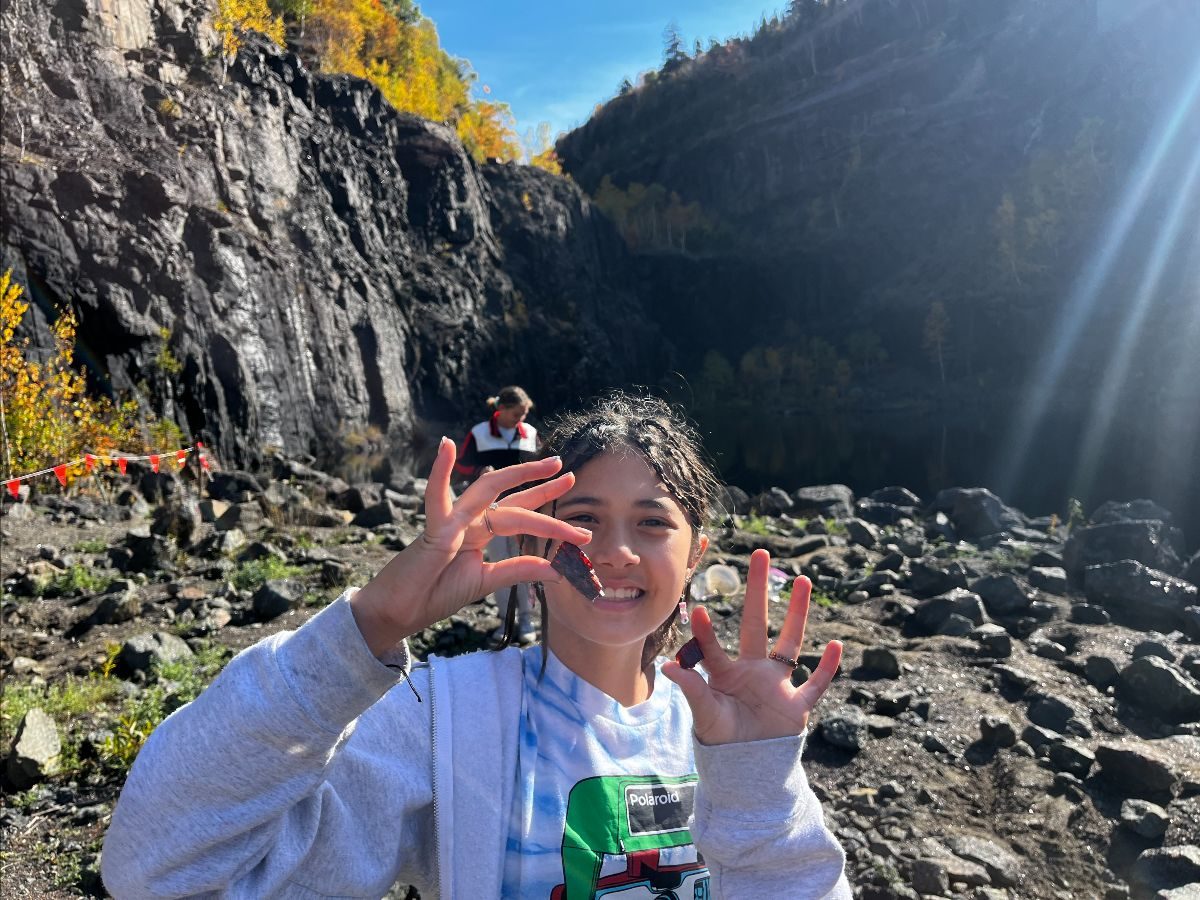
Sixth grade students continue to study the Roman and Medieval eras, but their field trips were somewhat earthier, aligning with their Geology block. They visited both the Herkimer Diamond Mines and the Adirondack Garnet Mines to try their hand at extracting semi-precious gems from the rocky ground. Whether wielding a shovel and pick or a pencil and paper, studying nature and culture firsthand brings the subject to life in the soul of the observer.
Exploring Farther Afield
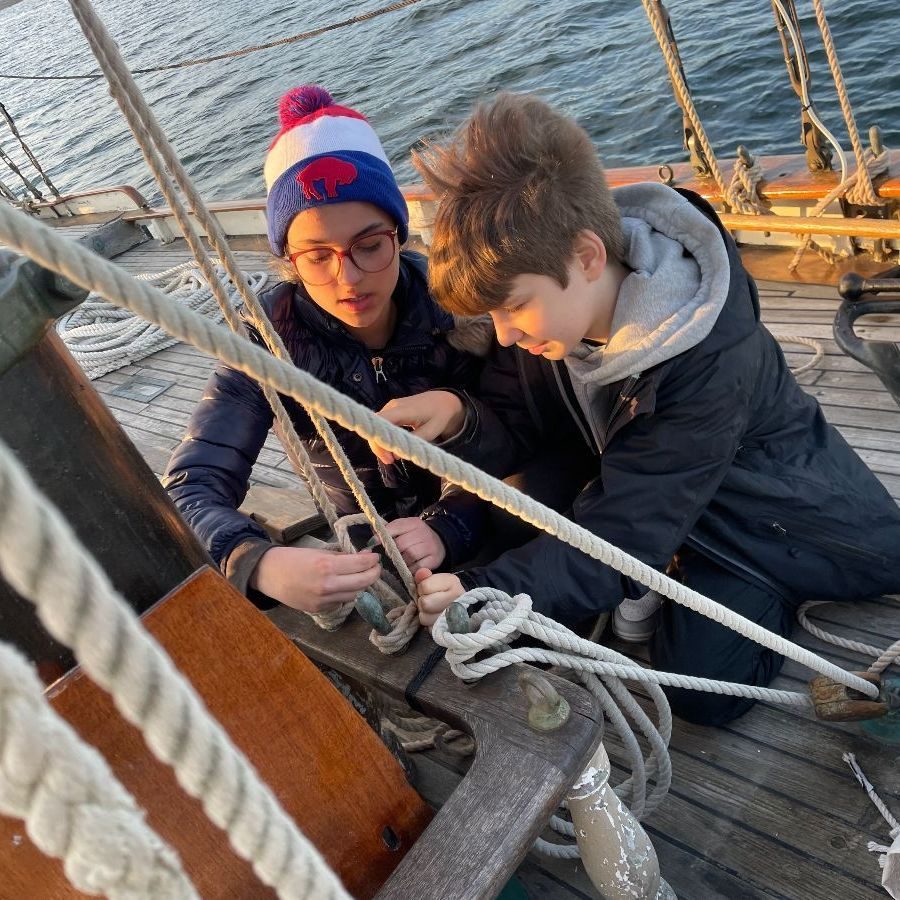
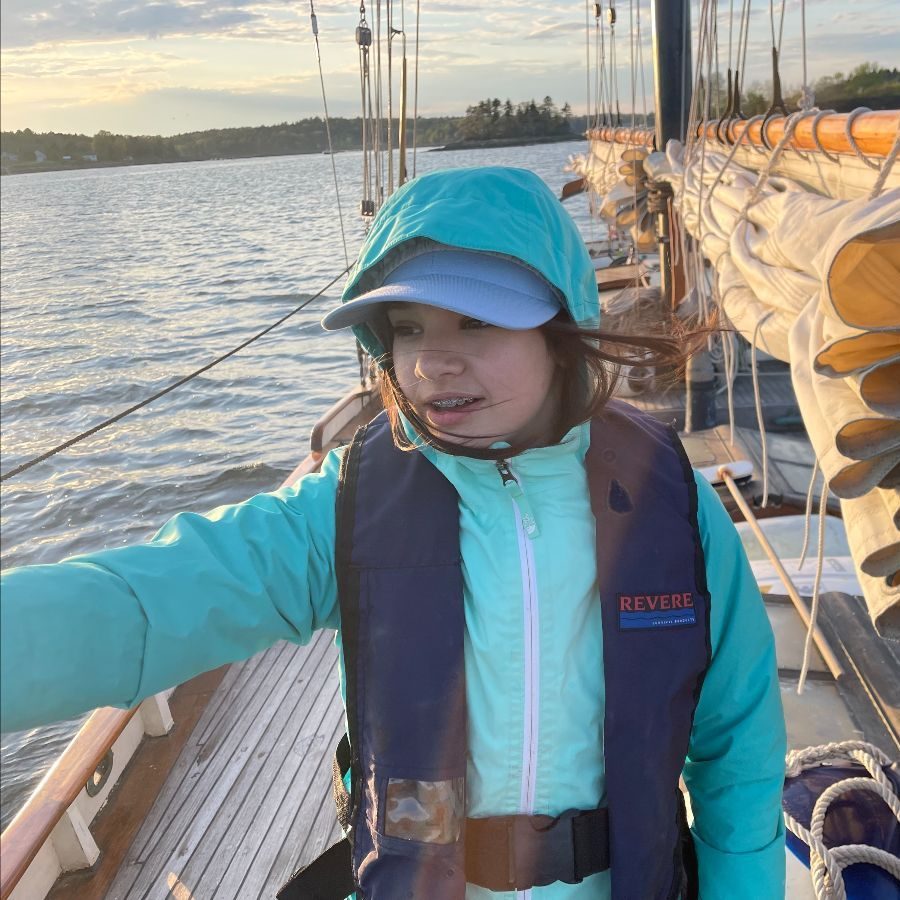
By middle school, students are ready for longer trips and deeper immersive study — experiences that help them fully embrace the complexities of their subjects. Grade seven traveled to Maine and embarked on a week-long sailing trip, which brought to life the adventure and challenge of the Age of Exploration. Learning to tie knots, swab the deck, and navigate in all weather gave them a new appreciation for the courage and canniness of the early naval explorers.
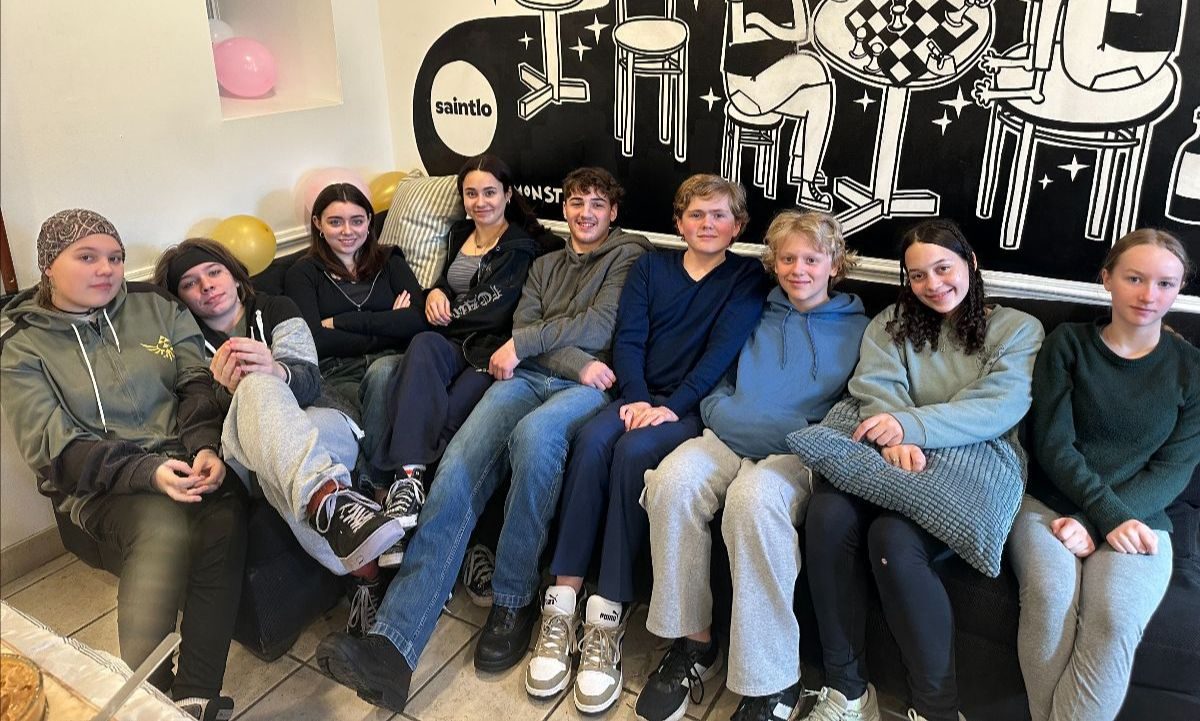
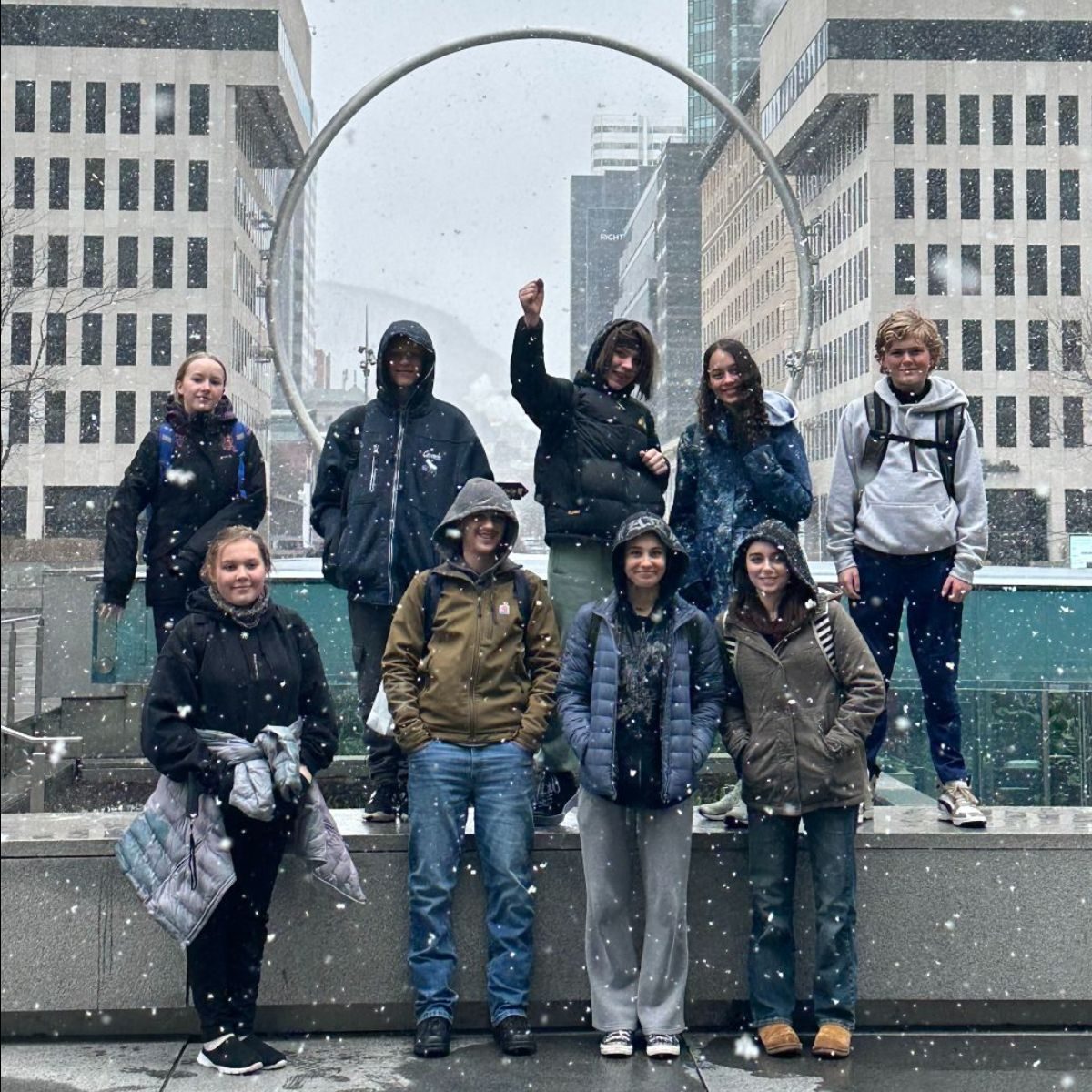
Eighth grade took a capstone journey that captured the spirit of the Age of Revolution they studied: a week-long adventure by train to Montreal. They explored the diverse eco-systems of the Biodome de Montreal, savored dishes at a chocolate-themed restaurant, and learned to read a map and navigate a European-style, bilingual city. Despite the many wonders they encountered, one student reflected on the importance of simply being present and open to new experiences, which is a foundational quality of a Waldorf education:
“When you’re traveling and having a full day packed with plans, it’s easy to forget to stop and take in a moment. If you’re traveling, you probably want to make memories, and you will remember all the big cool things you did, but what did the experience actually mean to you? A good memory from a trip doesn’t have to be something crazy or large scale; it could be as simple as sitting in a quiet park while the weather is nice. Making and taking in observations and treasuring them is the key part to traveling and is very important.”
Read the complete student essay about the trip to Montreal.
Field Trips Through the Grades
From early childhood through the lower and middle school years, field trips are a vital part of the Waldorf curriculum. They foster curiosity, inspire courage in the face of adventure, and nurture lasting friendships. Waldorf education is about building connection — both inwardly, within the school community, and outwardly, with the wider world. Developmentally tailored excursions create space for our students to learn and grow together in an ever-expanding community.