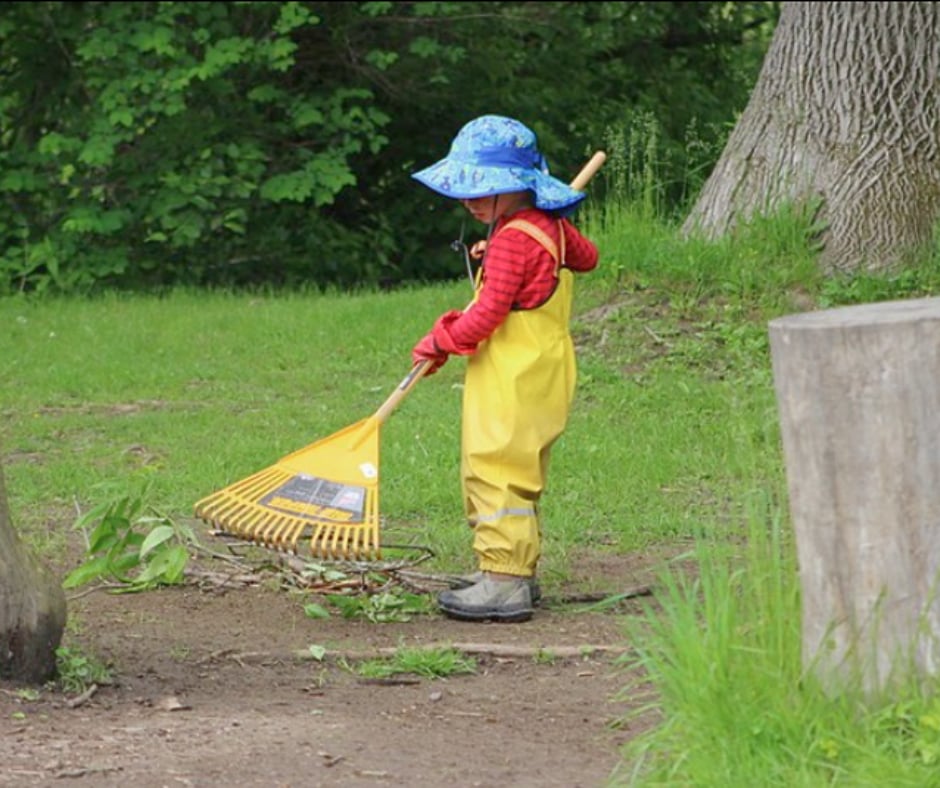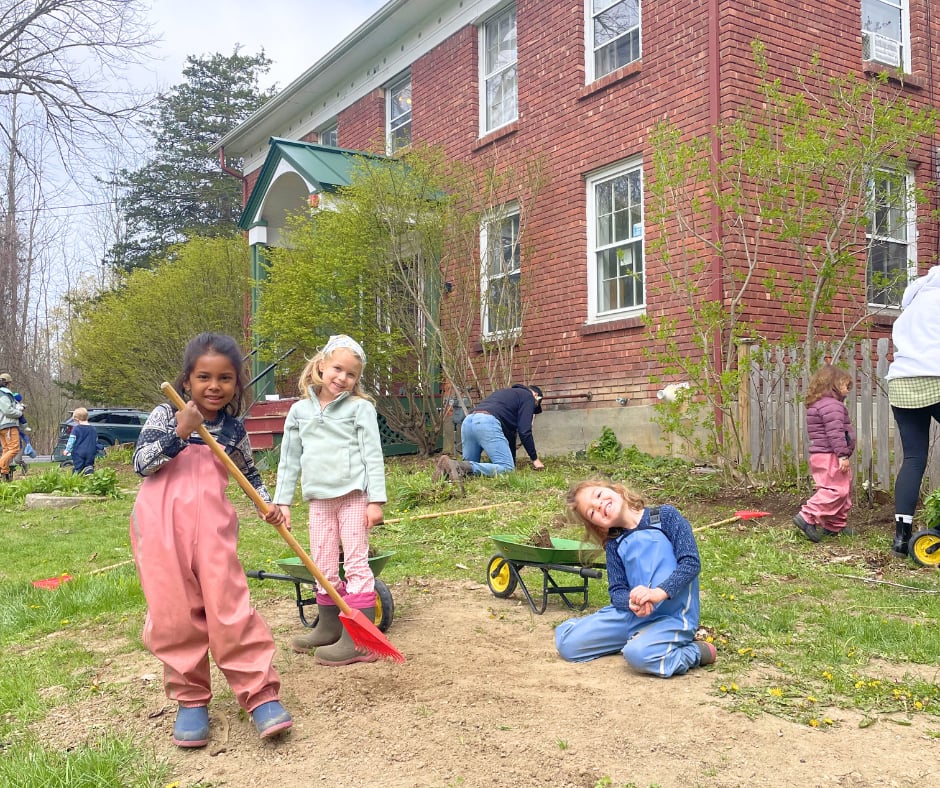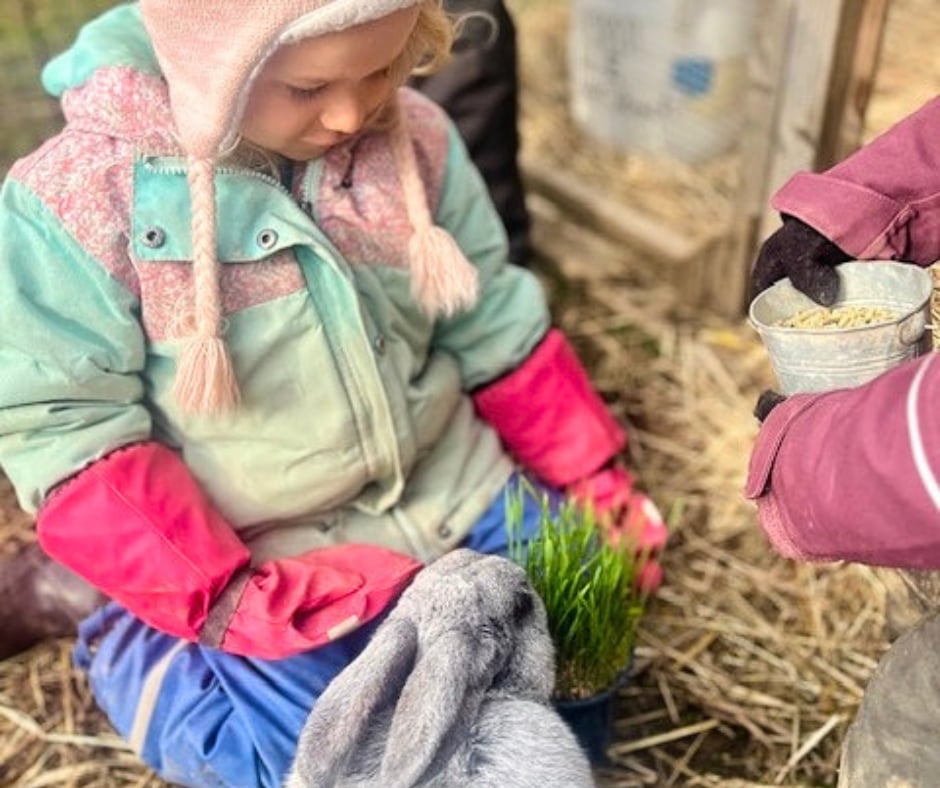
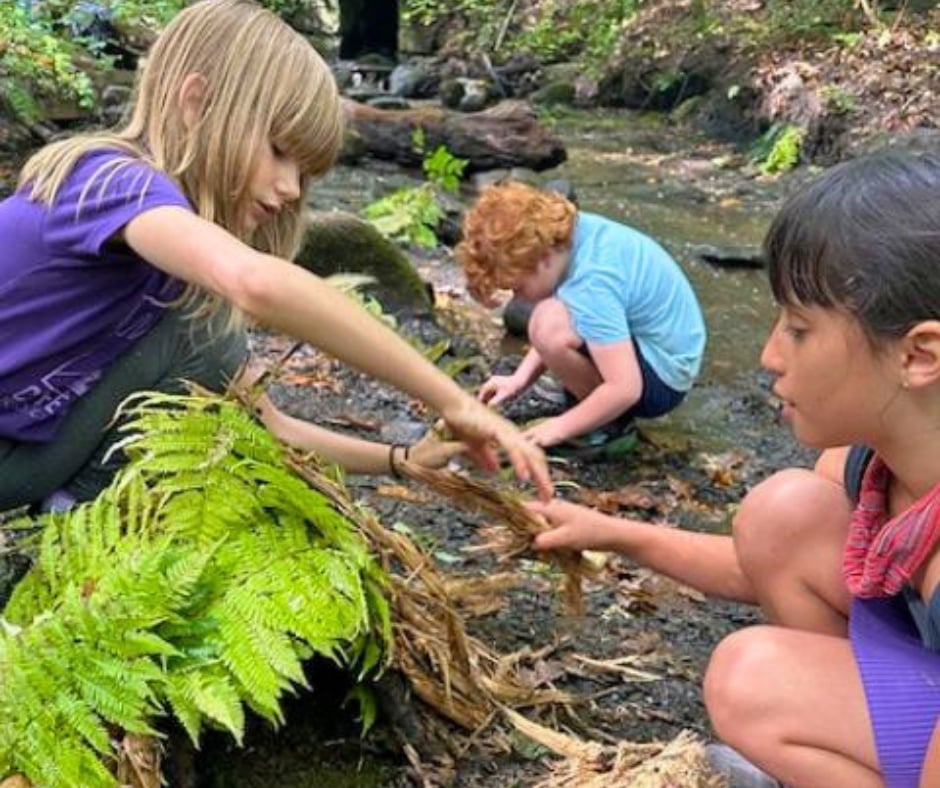
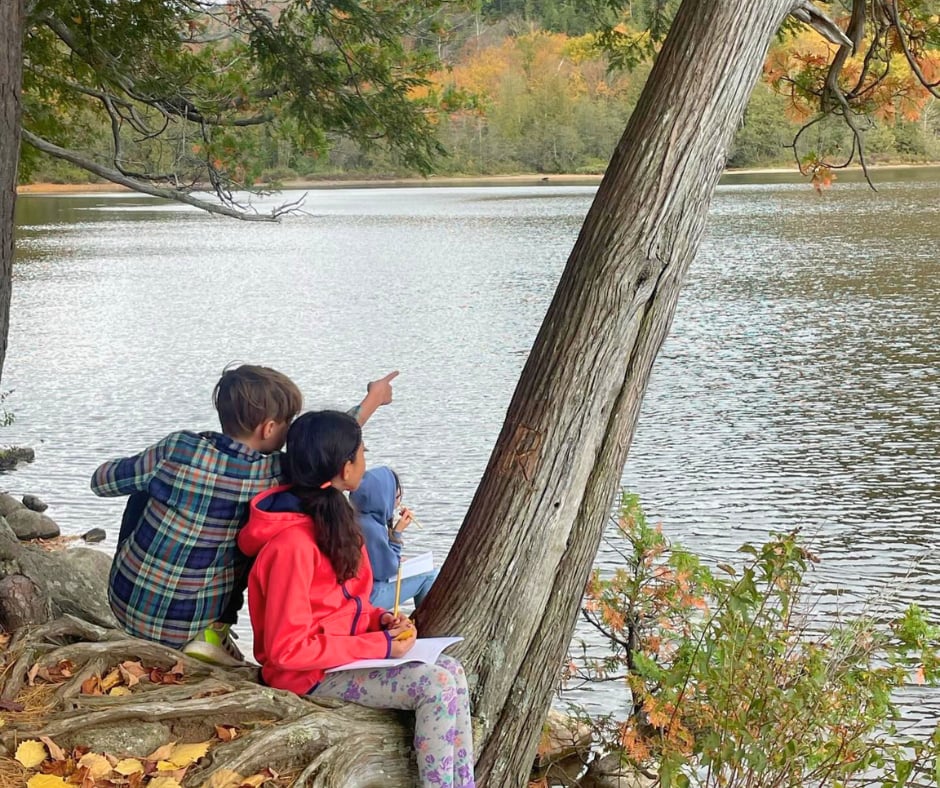
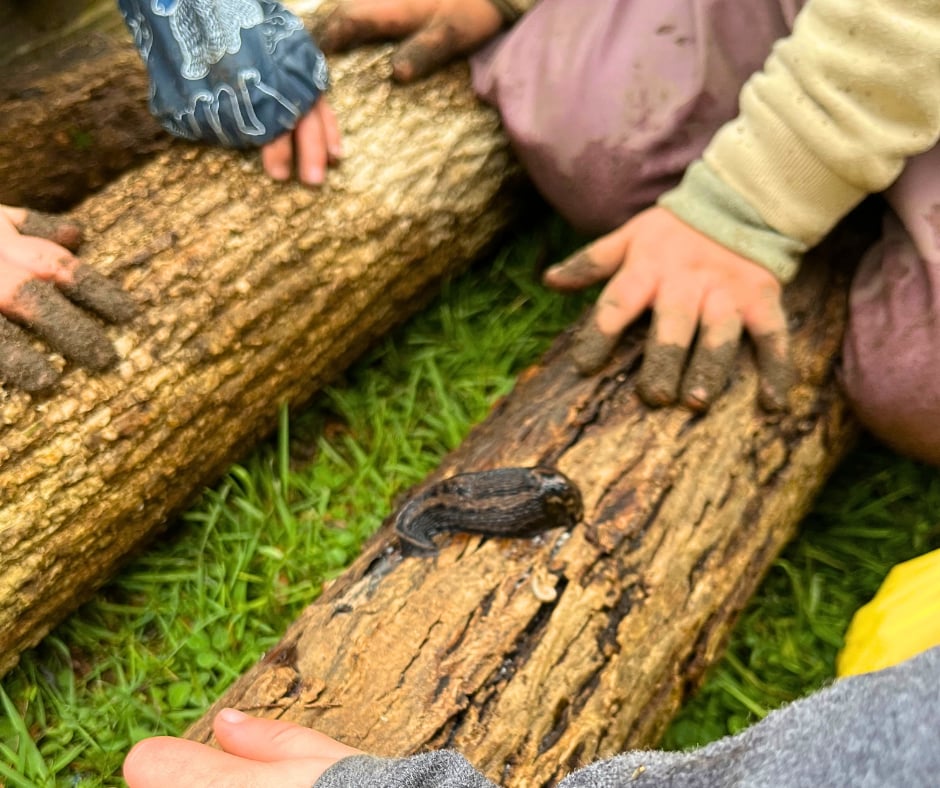
A child crouches beside a stream, turning over stones to see what might live beneath them. Another collects fallen leaves, noticing their different shapes, colors, and textures. A group of students sits outside, sketching trees and recording their observations of bark, leaves, and branches.
These moments may look like simple play or exploration, but beneath the surface, children are building a relationship with the natural world—one that’s rooted not just in knowledge but also in curiosity and care. This understanding is central to Waldorf education, where meaningful experiences in nature are woven throughout childhood rather than treated as an enrichment activity.
Research increasingly supports many practices that have long been part of Waldorf education, including regular time outdoors, careful observation of nature, gardening, seasonal rhythms, and opportunities for unstructured exploration. One of the gifts of Waldorf education is the way these experiences help children develop a lasting connection with the Earth.
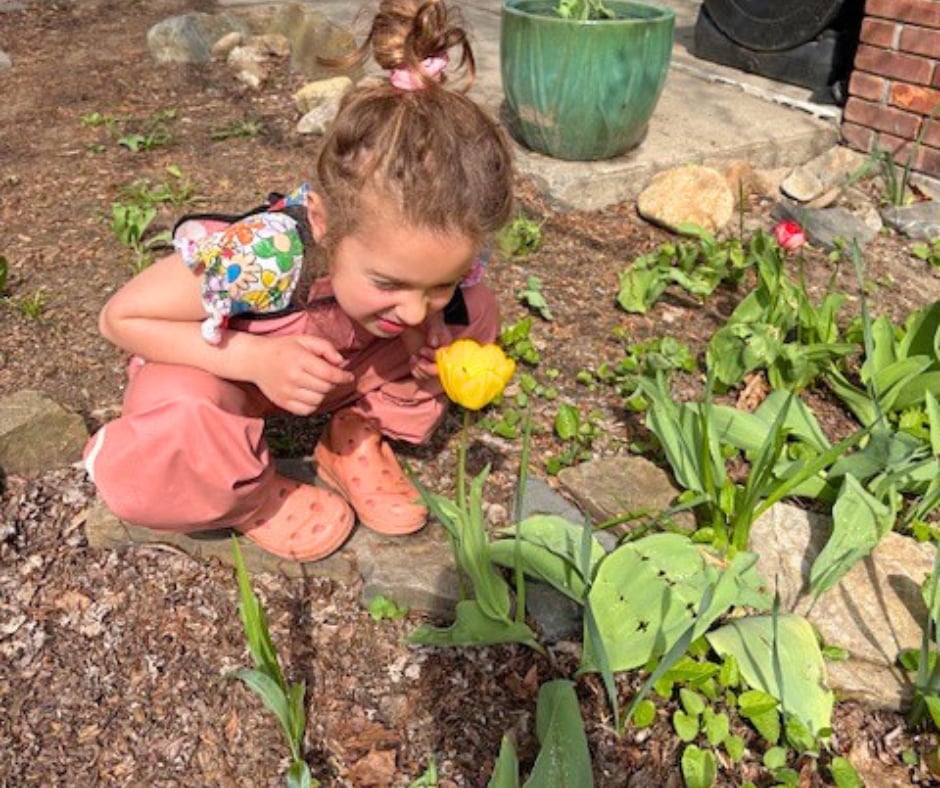
Nature as a Living Teacher in Waldorf Education
In Early Childhood classrooms, young children begin understanding the world through direct experience. Before they can understand larger environmental concepts, they first need opportunities to notice, explore, and build a relationship with the living world around them.
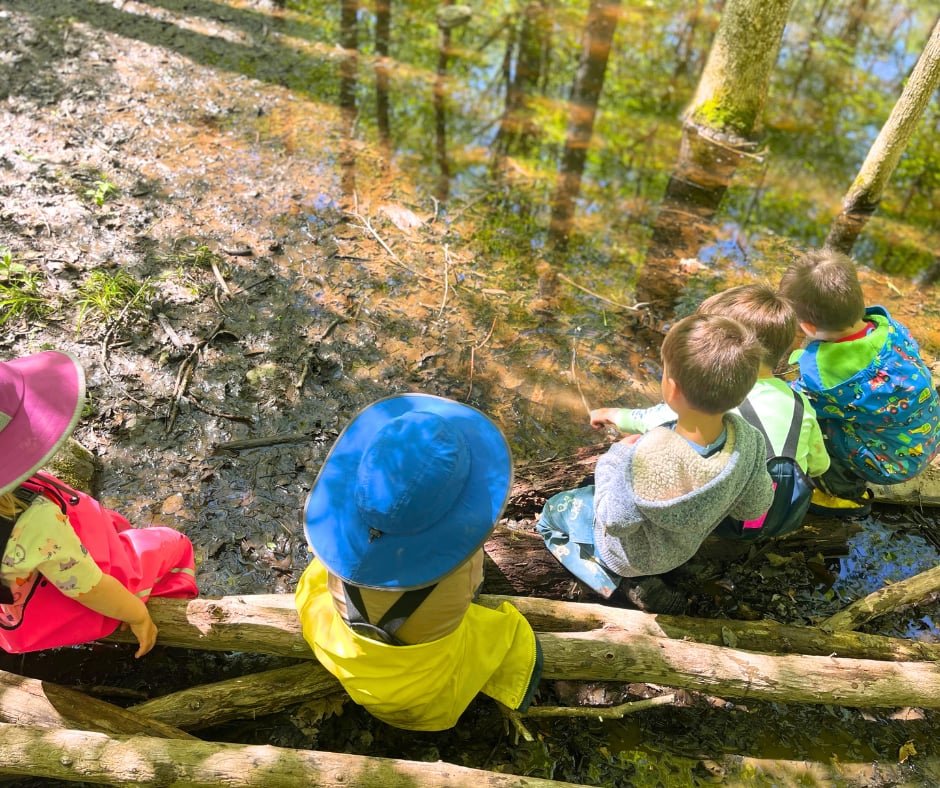
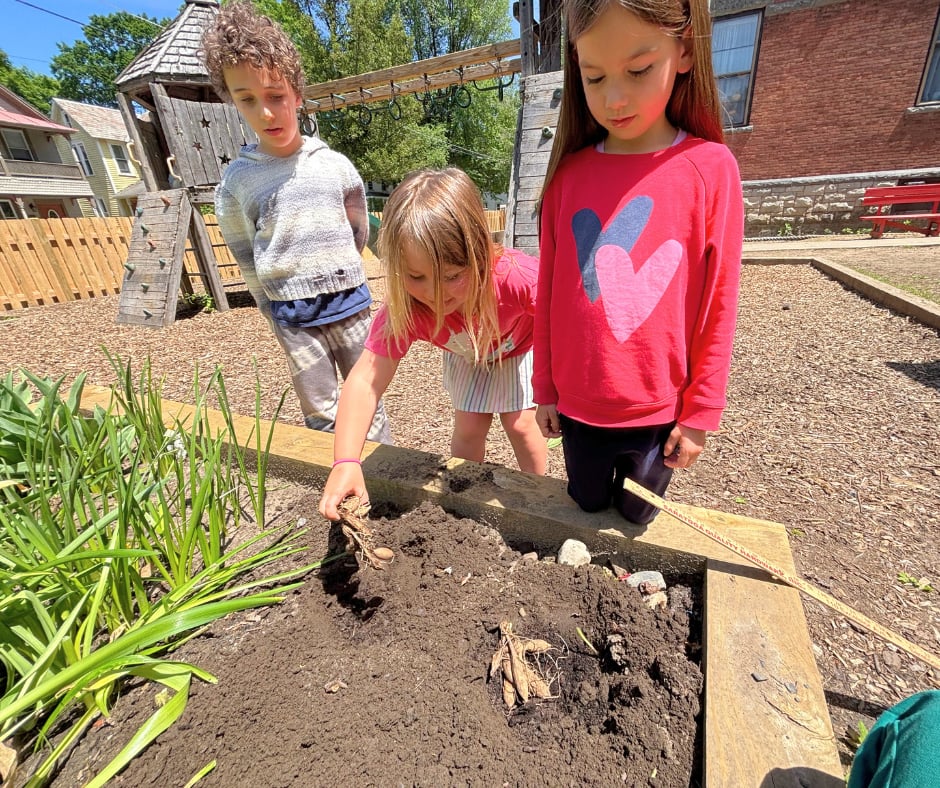
Waldorf education honors this developmental process by giving children opportunities to learn through observation, exploration, and meaningful encounters with nature. A child who watches a seed become a plant begins to understand growth. One who observes birds returning each spring begins to recognize patterns and cycles. And a child who spends time walking through a forest begins to understand that the natural world is a living community of interconnected beings.
Waldorf education creates space for this kind of learning by weaving nature into the rhythm of everyday life. Instead of encountering the environment only as a concept to study, children develop understanding through direct experience.
Researcher and environmental educator Louise Chawla has written extensively about the relationship between childhood experiences in nature and later environmental engagement, noting that meaningful experiences with the natural world can help shape lifelong connections to place and a sense of responsibility toward the environment.
In Waldorf schools, nature is not treated as a separate subject but as an essential context for learning. From Early Childhood through the grades, students regularly observe seasonal changes, garden, explore local ecosystems, create with natural materials, and develop scientific understanding through direct observation before abstract explanation. These experiences help cultivate not only academic understanding but also patience, resilience, wonder, and a sense of belonging within the living world.
From Wonder to Stewardship
Environmental awareness is often framed as a responsibility that children must learn: recycle more, conserve resources, protect endangered species. These lessons matter, but stewardship begins much earlier.
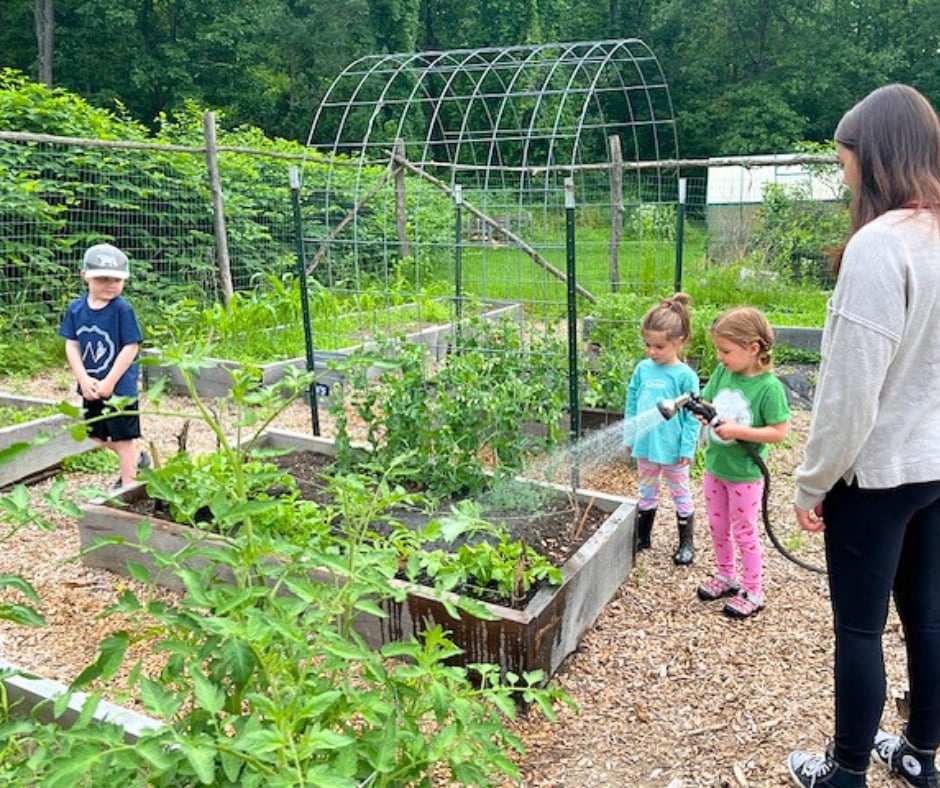
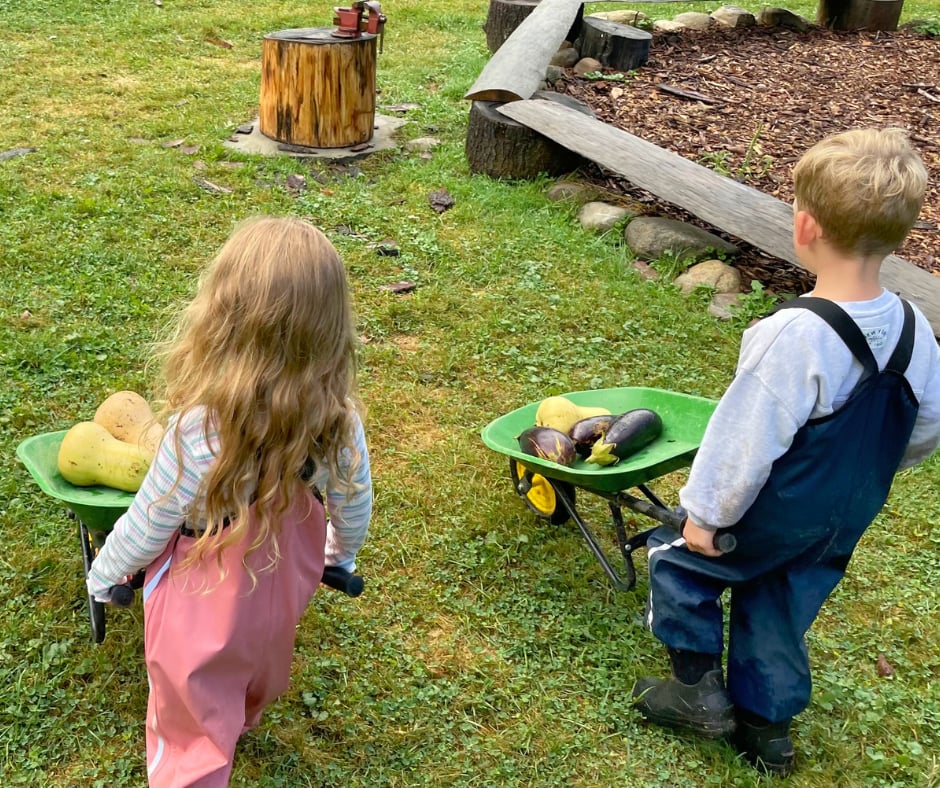
For children, environmental awareness doesn’t begin with a list of facts to memorize. It starts with relationship: knowing the tree outside their classroom, noticing the return of familiar birds, or caring for a garden.
Throughout the Waldorf curriculum, this relationship is built through repeated experiences, such as observing the changes that come with each season or learning the names of the plants and animals that share their environment. Over time, these experiences help children understand that they are not separate from the natural world.
Environmental educator David Sobel has emphasized the importance of allowing children to develop affection and familiarity with the natural world before asking them to understand environmental problems. In his work, he argues that direct experiences with meaningful places help children develop the emotional connection that can later support environmental stewardship.
This philosophy reflects Waldorf education’s commitment to educating the whole child. The goal extends beyond academic preparation to nurturing capable, compassionate human beings who meet the world with curiosity, creativity, and a sense of responsibility.
In this view, caring for the Earth is not a lesson that is added to the curriculum. It grows naturally from a child’s relationship with the world around them.
The Benefits of Slowing Down
One of the challenges facing children today is that many aspects of modern life move quickly. Information arrives instantly, entertainment is always available, and answers can often be found with the tap of a screen.
Nature offers a different pace: A forest does not rush. A seed does not grow overnight. A season changes gradually.
Research on nature exposure and child development has found connections between time spent in green spaces and improvements in attention, stress regulation, and overall well-being. These experiences are not only about what children learn; they are also about how they learn. In Waldorf education, time outdoors invites children to notice, wait, and pay attention. It invites questions that do not always have immediate answers and creates opportunities for problem-solving, creativity, and reflection.
These skills extend beyond environmental learning. The ability to notice patterns, ask questions, and approach unfamiliar situations with curiosity is an essential capacity in every area of life.
Raising the Next Generation of Environmental Thinkers
The environmental challenges facing the world today are complex, and addressing them will require scientific knowledge, innovative thinking, and collaboration.
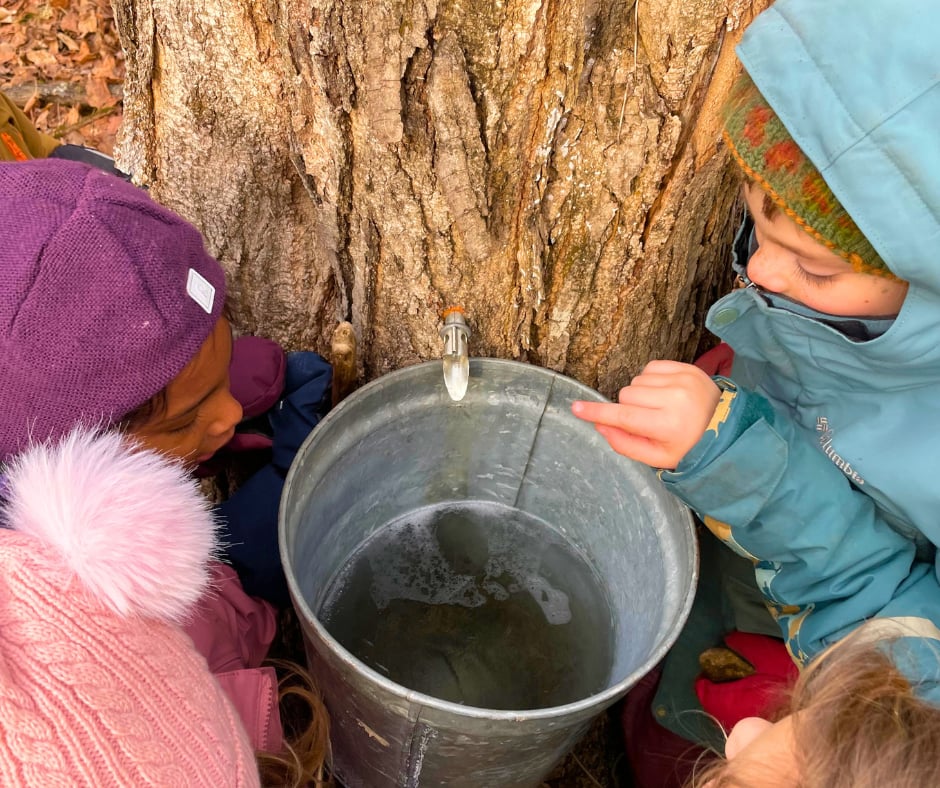
These abilities begin developing in childhood. When children form meaningful connections with the natural world, they are learning more than facts about the environment. They are learning how it works, developing a deeper understanding of the living systems around them, and recognizing that they are part of it. This sense of connection and understanding is one of the first steps toward stewardship, inspiring children to care for the world around them and imagine ways to protect it.
Waldorf schools do not seek to teach children simply about nature. They seek to help them experience themselves as part of it. By fostering curiosity, wonder, observation, and meaningful experiences outdoors throughout childhood, Waldorf education helps lay the foundation for a lifetime of stewardship. In a world where many children spend less time connected to the natural world, that relationship may be one of the most important lessons of all.